
Which Part of Tennessee Is Best for My Trip?
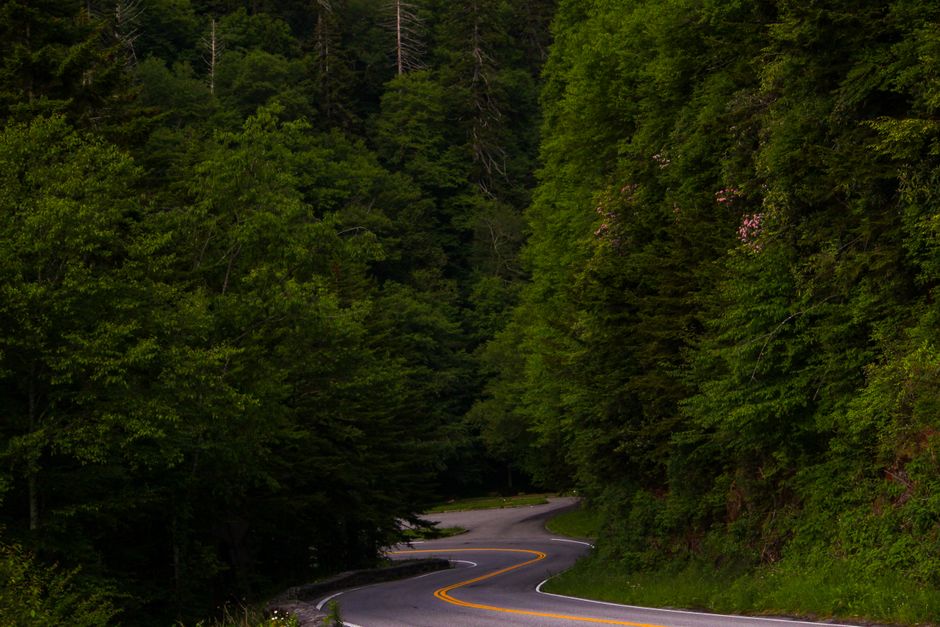
Choose East Tennessee for Great Smoky Mountains trails and Appalachian music, Middle Tennessee for Nashville and statewide Civil War context, and West Tennessee for Memphis music or Shiloh history. Use Gatlinburg or Pigeon Forge for close access to busy mountain gateways, Townsend for a quieter park approach, and Chattanooga for a city base tied to mountain scenery and Civil War sites.
Which part of Tennessee is best for a first-time visit?
East Tennessee is the best first choice when the park is the main event; Middle Tennessee is the best choice when Nashville is the main event; West Tennessee is the best choice when Memphis or Shiloh is the main event. A Tennessee trip goes wrong when the base is chosen by name recognition instead of by the days you want to spend.
The Smokies are not a side stop. The National Park Service records more than 12 million recreational visits in 2024, across 522,427 acres, 848 miles of trails, and 384 miles of roads. That scale rewards a mountain-first plan with room to slow down.
Music has its own map. The Tennessee Music Pathways spans all 95 counties and connects hundreds of landmarks across blues, bluegrass, country, gospel, soul, rockabilly, and rock 'n' roll. Nashville is the country-music anchor. Memphis is the funk, soul, and rock 'n' roll anchor. Bristol, Johnson City, Knoxville, and the Smokies fit an East Tennessee route shaped by country, bluegrass, and Appalachian music.
History crosses the state. The Tennessee Civil War National Heritage Area is the only National Heritage Area covering an entire state. Its listed sites include Shiloh, Stones River, Chickamauga and Chattanooga, Fort Donelson, Fort Pillow, and the Tennessee State Museum. A history trip needs a region-led route, not a single overnight stop.
| Primary interest | Best region or base | What the choice solves |
|---|---|---|
| Smokies hiking and scenic roads | East Tennessee | Keeps the park at the center of the trip |
| Country music and a city stay | Middle Tennessee and Nashville | Places the music focus first |
| Soul, funk, blues, and rock 'n' roll | West Tennessee and Memphis | Matches the Music Pathways route |
| Civil War battlefields | Middle, Southeast, or West Tennessee | Lets the selected battlefield set the route |
| Quieter Smokies approach | Townsend and East Tennessee | Pairs park access with a less crowded road plan |
Public data in the supplied sources does not provide fixed drive times between these regions. Treat any schedule built around exact hours as provisional. Check your route close to departure, then protect the first and last day from a hard booking.
Should I stay in Gatlinburg, Townsend, Pigeon Forge, or Chattanooga for mountain access?
Stay in Gatlinburg, Townsend, or Pigeon Forge when Great Smoky Mountains National Park drives the trip; stay in Chattanooga when a city base and the Chattanooga campaign matter as much as mountain access. These places do different work.
Gatlinburg and Pigeon Forge suit visitors who want the busiest gateway setting near the Smokies. Townsend is the better fit for a quieter approach. The National Park Service lists Gatlinburg and Townsend among the places with full services, and notes that the park itself has no gas stations.
Traffic changes the choice. The NPS says most park visitors arrive between 10:00 a.m. and 11:00 a.m. It advises arriving earlier or later because parking is limited and legal parking at a chosen destination is not assured. A lodge close to the entrance does not remove this problem. A calm arrival time does more.
Pick roads with the same care as lodging. The NPS identifies Lakeview Drive, Heintooga Ridge Road, and Foothills Parkway as scenic drives with fewer crowds than Roaring Fork Motor Nature Trail or Cades Cove Loop Road. Most local shuttles to park destinations operate from March through October, so a car remains central to a Smokies plan.
Chattanooga is a different base. Chickamauga and Chattanooga National Military Park lies 9 miles south of Chattanooga at the edge of the Cumberland Plateau and covers about 9,077 acres. It preserves the Chattanooga campaign landscape at Lookout Mountain, Missionary Ridge, and Chickamauga Battlefield. Choose it for a city-and-history trip with mountain character, not as a substitute for a Smokies lodging plan.
Busy is not bad. Busy is a cost paid in time, parking, and noise. Quiet is not empty. Quiet is room left in the day.
How many days do I need for Nashville and the Smoky Mountains?
Give Nashville and the Smokies separate blocks of days, then reserve a transfer day between them rather than treating both as one quick stop. The supplied sources do not set a required length or publish a travel-time threshold, so no honest guide can promise a precise number of days.
For a short combined trip, make one place the lead story. Put Nashville first when country music is the purpose. Put the Smokies first when trail time, campgrounds, and scenic roads are the purpose. Then give the second place a narrower role.
For a longer combined trip, let each region keep its own rhythm. Nashville belongs to the Tennessee Music Pathways story. The Smokies contain 10 developed campgrounds with 1,000 total sites and recorded more than 420,000 camper nights in 2024, according to the National Park Service. Those figures describe two trips with different demands.
One practical pairing is Nashville plus the Smokies: music first, then trails. Another is Chattanooga plus the Smokies: Civil War sites first, then park roads and hikes. If the route reaches Memphis, make that a third regional block rather than squeezing it into a Nashville-and-mountains plan. For a different multi-stop travel decision, see Can I Book One Hawaii Package for Oahu, Maui, and the Big Island?; the core question is the same: one booking does not turn separate places into one easy day.
Season changes the shape of a mountain plan. The NPS forecast is built from historic traffic-counter data and flags days when roads are heavily congested and lots are full. A schedule that starts before the main arrival wave has more value than a schedule packed with named stops.
Frequently Asked Questions
What are the best quiet alternatives to busy Gatlinburg and Pigeon Forge?
Townsend is the clearest quieter alternative named in the National Park Service travel guidance, with full services available near the park. Inside Great Smoky Mountains National Park, Lakeview Drive, Heintooga Ridge Road, and Foothills Parkway are the scenic drives the NPS identifies as less crowded than Roaring Fork Motor Nature Trail and Cades Cove Loop Road. Quiet is a route choice as much as a lodging choice.
Which Tennessee areas are best for music, hiking, Civil War history, and family attractions?
East Tennessee is the strongest fit for hiking in Great Smoky Mountains National Park and for Appalachian, bluegrass, and country-music stops around Bristol, Johnson City, Knoxville, and the Smokies. Nashville anchors country music; Memphis anchors funk, soul, and rock 'n' roll; Shiloh, Murfreesboro, Chattanooga, Fort Donelson, Fort Pillow, and the Tennessee State Museum belong on a Civil War-focused route. Gatlinburg and Pigeon Forge place visitors near the Smokies, while Chattanooga combines an urban base with the Chattanooga campaign landscape.
A first Tennessee trip does not need to cover the whole state. It needs one clear center. The map grows from there.
Sources
- National Park Service - Great Smoky Mountains National Park Statistics
- National Park Service - Great Smoky Mountains National Park Traffic and Travel Tips
- Tennessee Department of Tourist Development - Tennessee Music Pathways
- National Park Service - Tennessee Civil War National Heritage Area
- National Park Service - Chickamauga and Chattanooga National Military Park
What Are the Best Beaches in Florida for Your Trip?
Compare ten Florida beaches by sand, water, swimming, family amenities, access, crowds, and current safety checks.

Is a Lidl Part-Time Store Job Right for My Schedule and Strength?
Assess Lidl part-time store hours, weekend work, physical demands, and the questions to ask before applying.

Toronto to Vancouver Train: Sleeper or Economy?
Choose the right Toronto-to-Vancouver rail class with published fares, included services, scenery access, and tour trade-offs.

How Can I Choose and Return a Tillys Swimsuit When Sizes Vary?
Use measurements, brand charts, and Tillys return rules to choose a swimsuit with a clear fallback when sizes vary.