
What Are the Best Beaches in Florida for Your Trip?
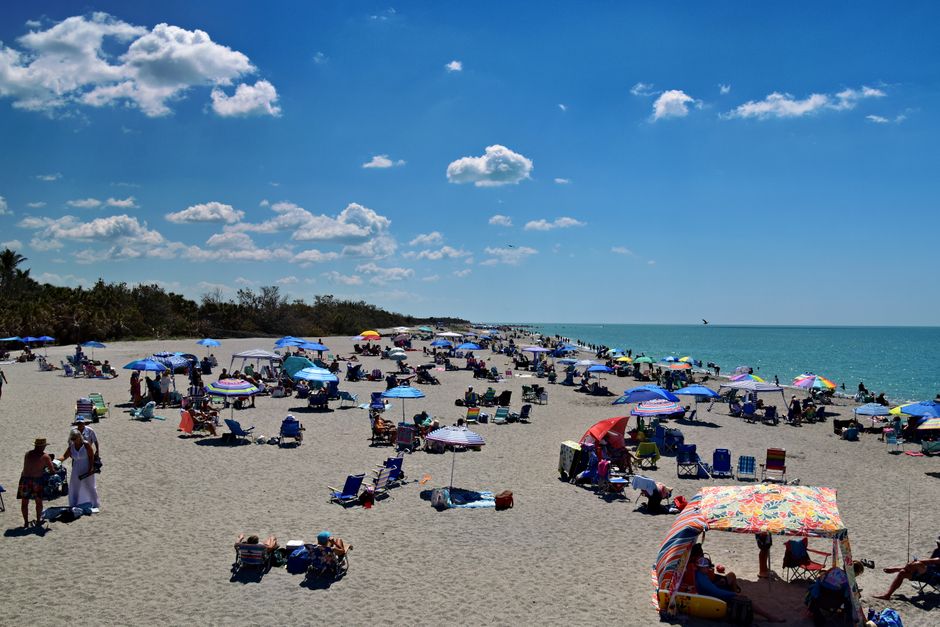
The best Florida beaches depend on what you want: Siesta Beach leads for powdery quartz sand and family amenities; Henderson Beach and Bahia Honda stand out for clear Gulf and Keys scenery; and St. Augustine suits Atlantic surf and beach-town access. This ranked guide compares ten picks by water, swimming, crowds, access, and activities, while showing how to check conditions before you go.
What are the top 10 beaches in Florida?
These ten beaches rank highest for a mix of distinctive scenery, useful amenities, and activities, with the best choice depending on your priorities. The order favors beaches with clear practical advantages, not a promise that conditions will be identical on every visit.
| Rank | Beach | Best fit | Access and planning note |
|---|---|---|---|
| 1 | Siesta Beach | Families, fine sand, calm Gulf water | More than 950 free spaces; daily lifeguards |
| 2 | Henderson Beach State Park | White sand, warm shallow water, camping | Parking included with admission; no lifeguards |
| 3 | Bahia Honda State Park | Shallow snorkeling, varied shorelines | Parking and restrooms; no lifeguards |
| 4 | Sand Key Park | Families, accessible facilities | $6 daily parking; seasonal lifeguards |
| 5 | St. Augustine Beach | Atlantic activities and pier-area amenities | Free parking at Ocean Pier Park |
| 6 | Loggerhead Beach, Bahia Honda | Atlantic-facing Keys shoreline | Inside Bahia Honda State Park |
| 7 | Calusa Beach, Bahia Honda | Florida Bay-facing shoreline | Inside Bahia Honda State Park |
| 8 | Sandspur Beach, Bahia Honda | Another Atlantic-facing park beach | Inside Bahia Honda State Park |
| 9 | Henderson Beach State Park shoreline | Camping and a broad protected park setting | More than a mile of beach in a 208-acre park |
| 10 | St. Johns County Ocean Pier beach area | Playground, splash park, and volleyball | Free parking; seasonal lifeguards at designated beaches |
Some entries are distinct stretches or access areas within the same state park or beach destination. They are included because the shoreline orientation and facilities change the kind of visit you can plan. Bahia Honda, for example, has three beaches: Calusa faces Florida Bay, while Loggerhead and Sandspur face the Atlantic, according to Florida State Parks.
Sarasota County says Siesta Beach sand is nearly 100% quartz crystal. It lists more than 950 free parking spaces, restrooms, concessions, a playground, and 29 shelters. The county describes the Gulf water as calm and clear, and notes that the beach draws millions of visitors each year. Popularity means the facilities are useful, but a quieter visit calls for timing around peak periods.
Henderson Beach State Park gives visitors more than a mile of beach within a 208-acre park and has 60 campsites, according to VISIT FLORIDA. Sand Key Park adds restrooms, changing stalls, outdoor showers, concessions, a playground, a boardwalk, a nature trail, and two beach wheelchairs. Its parking is $6 per day at automated pay stations, and the park is open daily from 7 a.m. to sunset, according to Pinellas County.
Which Florida beaches have the clearest water and whitest sand?
Siesta Beach, Henderson Beach, and Bahia Honda are the strongest choices in the provided information for white sand or clear water, but none is clear in every condition. Sand color and clarity can make a beach look inviting; wind and waves can still stir the water and limit visibility.
Siesta’s nearly pure quartz sand is its defining feature. The county describes its Gulf water as calm and clear, but that description is not a guarantee for a particular day. At Bahia Honda, shallow nearshore snorkeling is about 4 to 6 feet deep, and marine life can be found a few hundred feet from shore. Florida State Parks says the water is usually clear unless wind stirs sand into the waves.
“The water is usually clear unless the wind picks up and the sand is stirred by the waves, limiting visibility.”
Henderson Beach is VISIT FLORIDA’s pick for Destin’s white sands and emerald waters. The guide describes the water as typically warm, shallow, and low-surf, while warning that winds, tides, and offshore systems can make conditions rougher. That contrast is useful: a beach’s usual character helps with choosing a destination, but the day’s weather decides what you actually find at the water’s edge.
For a plan that includes snorkeling, Bahia Honda has a specific shallow-water option. For sand and family facilities, Siesta Beach has the clearer practical case. For a park setting with camping, Henderson is the better match. Current conditions matter more than a destination’s reputation when visibility or swimming is the deciding factor.
Are Gulf Coast or Atlantic Coast beaches better for swimming?
Gulf Coast beaches are the stronger fit in these sources for typically calm or low-surf swimming, while Atlantic-facing beaches offer a different shoreline with surf and rip-current conditions to monitor. Neither coast is automatically safe: currents, wind, waves, and local advisories change the water’s risk.
The county describes Siesta’s Gulf water as calm, and VISIT FLORIDA describes Henderson’s water as typically shallow and low-surf. Bahia Honda’s beaches span both sides of the Keys: Calusa faces Florida Bay; Loggerhead and Sandspur face the Atlantic. This gives visitors a choice of orientation within the same park, but Florida State Parks still advises that wind and waves affect water clarity.
St. Augustine Beach brings the Atlantic’s variable surf into the decision. VISIT FLORIDA advises visitors to check conditions and posted flags, and to swim near a lifeguard when one is on duty. NOAA labels rip-current risk as high, moderate, low, or no data available. High risk means life-threatening currents are likely and swimming is unsafe for all swimmers; moderate risk means dangerous currents can appear suddenly.
Use the sources that report current conditions rather than relying on a general coast-wide rule. The Florida Department of Health’s Healthy Beaches program tests for enterococci bacteria and posts results and advisories on county pages. Results are categorized as good at 0–35, moderate at 36–70, and poor at 71 or more enterococci per 100 milliliters of marine water. An advisory follows when a result above 70 is confirmed by a resample.
For red tide, the Florida Fish and Wildlife Conservation Commission’s daily map includes the latest eight days of sampling and updates at 5 p.m. The agency classifies Karenia brevis concentrations above 100,000 cells per liter as bloom concentrations; medium and high levels can be associated with respiratory irritation and fish kills. A sensible check before swimming combines water quality, red-tide status, local flags, and NOAA’s rip-current map.
Which Florida beaches are best for families with young children?
Siesta Beach is the best-supported family pick in this comparison, with a playground, shelters, concessions, restrooms, ample free parking, and daily lifeguards. Sand Key Park and St. Johns County Ocean Pier Park also offer family-oriented amenities, but lifeguard coverage is seasonal at those destinations.
At Siesta Beach, the county lists 29 shelters and more than 950 free parking spaces, alongside its playground and restrooms. Lifeguards are on duty daily from 10 a.m. to 5 p.m. The county’s exact wording is clear:
“Lifeguards are on duty 10 a.m. to 5 p.m. seven days a week.”
Sand Key Park has a playground, concessions, outdoor showers, changing stalls, and two beach wheelchairs. Its lifeguards are seasonal, so confirm coverage before planning around supervised swimming. Bahia Honda has restrooms and bathhouses, picnic pavilions, parking, and a free first-come, first-served beach wheelchair, but the park does not provide lifeguards.
St. Johns County Ocean Pier Park offers a splash park, playground, restrooms, outdoor showers, volleyball courts, and free parking. Designated county beaches generally have seasonal lifeguard coverage from Memorial Day weekend through Labor Day weekend, around 10 a.m. to 6 p.m., weather permitting. Beach-driving passes are required from March 1 through September 30, according to VISIT FLORIDA; the guide recommends arriving early on weekends and holidays.
For families, the trade-off is simple: prioritize the facilities and lifeguard coverage that fit your day, then confirm the current schedule. A beach with calm-looking water is not a substitute for posted flags or a lifeguard’s direction.
Frequently Asked Questions
Where can I find a beautiful Florida beach that is less crowded?
Henderson Beach State Park is less crowded from November through March, according to VISIT FLORIDA, though Gulf water is cooler then. Bahia Honda offers several distinct beaches, but public data here does not rank crowd levels there. For quieter conditions at either destination, avoid the busiest summer period and check local access information.
Which beaches have lifeguards, restrooms, and convenient parking?
Siesta Beach has daily lifeguards from 10 a.m. to 5 p.m., more than 950 free parking spaces, and restrooms. Sand Key Park has seasonal lifeguards, restrooms, changing stalls, and paid parking; St. Johns County Ocean Pier Park has restrooms and free parking, with seasonal lifeguards at designated county beaches. Henderson Beach has restrooms and parking included with admission, but no lifeguards.
What is the best time of year to visit Florida beaches?
For Henderson Beach, VISIT FLORIDA identifies April–May and September–October as a balance of warm Gulf water and more manageable crowds. June–August is busiest there, while November–March is less crowded but the Gulf is cooler. Conditions and seasonal services vary by location, so check the destination’s current information before travel.
How can I check beach conditions and red tide before I go?
Check local beach flags and patrol guidance, NOAA’s rip-current map, Florida Healthy Beaches county results, and the Florida Fish and Wildlife Conservation Commission’s red-tide status map. The FWC map is updated daily at 5 p.m. and shows the latest eight days of sampling. A clear-looking beach does not replace current safety and water-quality checks.
Sources
- Sarasota County — Siesta Beach
- Florida State Parks — Bahia Honda State Park: Experiences & Amenities
- Florida Department of Health — Beach Water Quality
- Florida Fish and Wildlife Conservation Commission — Red Tide Current Status
- VISIT FLORIDA — Destin Beach Guide
- Pinellas County — Sand Key Park
- VISIT FLORIDA — St. Augustine Beach Guide
- NOAA National Hurricane Center — Rip Currents
Which Part of Tennessee Is Best for My Trip?
Choose the right Tennessee region for Smokies hiking, music, Civil War history, or a quieter mountain stay.

Toronto to Vancouver Train: Sleeper or Economy?
Choose the right Toronto-to-Vancouver rail class with published fares, included services, scenery access, and tour trade-offs.

How Do I Choose a Safe International City?
Use crime data, neighborhood checks, transit research, road risk, and travel advisories to choose a safer international city.

How Can Solo Travelers Over 60 Find Low-Supplement Cruise Fares?
Compare solo cabins, sailing-specific supplements, and booking windows to find a cruise fare that holds up after every trip cost.