
How Can a Beginner Build Strength at Home With Dumbbells?
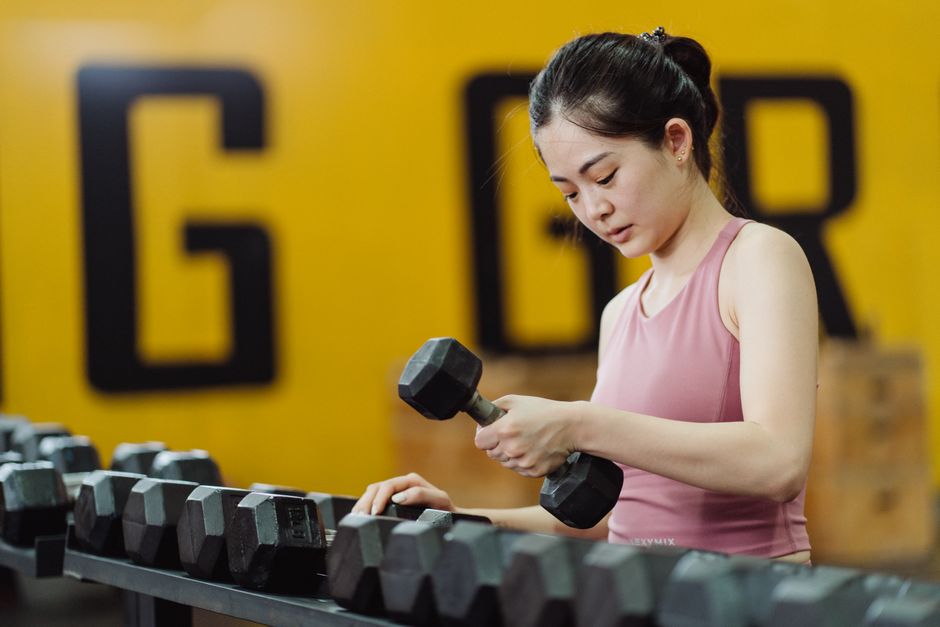
A beginner can build a home dumbbell strength plan with full-body sessions two or three days a week, a load that makes another repetition difficult near the end of a set, and progress through repetitions, sets, tempo, and one-sided work before heavier weights. ACSM's 2026 guidance says home-based routines can improve strength and physical function when training is consistent and effortful.
What weight dumbbells should a beginner start with?
Start with the dumbbell that fits the repetition target, not a universal number stamped on a rack. The ACSM Position Stand from 2009 describes novice training with a load equal to an eight-to-twelve repetition maximum: a load that allows eight to twelve sound repetitions, then leaves no extra repetitions in reserve beyond that range.
The CDC's 2026 activity guidance gives the same practical test: another repetition without help should be difficult. That is a better starting rule than copying another person's weight. A press, row, squat, and hinge do not need the same pair of dumbbells.
Run a short form check before treating a load as working weight. The movement stays controlled. The range stays consistent. The final repetitions slow because of effort, not because the body has found a new path around the exercise.
| Check | What it means | Evidence anchor |
|---|---|---|
| The set ends before eight repetitions | The load exceeds the novice target for that movement. | ACSM Position Stand, 2009 |
| Eight to twelve repetitions are controlled and the next one is difficult | The load fits the initial working range. | ACSM Position Stand, 2009; CDC guidance, 2026 |
| One or two repetitions exceed the target | The next progression can be considered. | ACSM Position Stand, 2009 |
ACSM's 2009 position stand recommends a load increase of two to ten percent after one or two repetitions above the target are possible. Limited home equipment changes the method, not the principle. When no heavier dumbbell exists, the plan can progress in other ways.
Can I build strength at home with only dumbbells?
Yes. Dumbbells can form a complete home plan when the sessions cover all major muscle groups and the work becomes harder over time.
The ACSM 2026 position stand, built from one hundred and thirty-seven systematic reviews involving more than thirty thousand participants, states that home-based routines, bodyweight exercise, and elastic bands can produce benefits for strength, muscle size, and physical function. Equipment is a tool. The work is the signal.
Exercise selection starts with coverage. The CDC's 2026 guidance names the legs, hips, back, abdomen, chest, shoulders, and arms. A home plan that presses but never rows leaves the back out. A plan that curls but never trains a squat, hinge, or lunge leaves large regions out.
| Movement role | Dumbbell example | Plan purpose |
|---|---|---|
| Knee-bend | Goblet squat | Places lower-body work in the session. |
| Hip hinge | Dumbbell deadlift | Adds a second lower-body pattern. |
| Push | Floor press or overhead press | Adds chest, shoulder, and arm work. |
| Pull | Supported dumbbell row | Keeps back work beside pressing work. |
| One-sided lower body | Split squat or reverse lunge | Raises the challenge without requiring a heavier pair. |
Place the squat, hinge, press, and row before smaller work. That order follows the ACSM 2009 recommendation to put large-muscle and multiple-joint movements before smaller-muscle and isolation exercises. The plan stays short because each movement has a job.
Light dumbbells still have a place. The 2017 Journal of Strength and Conditioning Research review found that high loads produced greater maximal-strength gains, while muscle-size changes were similar across low- and high-load conditions when all sets reached momentary muscular failure. This does not require every home set to end at failure. ACSM's 2026 review found no consistent advantage from training to momentary failure for the average healthy adult.
How many days a week should beginners lift weights?
Beginners can use two full-body dumbbell sessions each week, with a third session as an option when recovery and schedule allow.
The CDC's 2026 adult guidance calls for muscle-strengthening activity on two or more days each week across all major muscle groups. ACSM's 2009 position stand also places novice resistance training at two to three days each week. The shared message is plain: repeatable sessions beat a perfect plan that cannot fit a working week.
A simple two-day structure alternates the same full-body roles. Session A can use a squat, floor press, row, and hinge. Session B can use a split squat, overhead press, row, and hinge variation. A third day repeats either session, with the exercise order changed if needed.
The CDC's 2026 guidance starts with at least one set of eight to twelve repetitions per exercise and notes added benefits from two or three sets. Start with one clean set across the plan. Add a second set when the first set remains controlled across the whole session. The program grows in layers.
How to Progress When the Rack Is Small
Progress has more than one door. Load is one. It is not the only one.
First, add repetitions until the top of the planned range is reached with sound movement. Second, add a set, using the CDC's 2026 one-to-three-set framework. Third, slow the lowering phase and keep the lifting phase controlled. Fourth, use a one-sided version such as a split squat or single-arm row where the exercise permits it.
Then return to load when a heavier dumbbell becomes available. ACSM's 2009 rule is useful because it gives progression a trigger rather than a mood: one or two repetitions above the intended target precede a two-to-ten-percent load increase. The number on the dumbbell is data. The quality of the set is the decision.
Do not turn every session into a test. The 2023 British Journal of Sports Medicine review found that all examined resistance-training prescriptions improved strength and hypertrophy compared with no exercise. Higher-load, multi-set training three times weekly ranked highest for strength in that analysis, yet the broader finding matters in a limited-equipment home: training prescriptions work when they are performed.
Frequently Asked Questions
What are the best dumbbell exercises for a full-body workout?
A full-body dumbbell session can use a squat, hip hinge, press, row, lunge, and a bracing movement. This covers the major muscle groups named in the CDC's 2026 guidance: legs, hips, back, abdomen, chest, shoulders, and arms. The best list is the one that leaves no major region out.
How do I make workouts harder when my dumbbells are too light?
Add repetitions within the planned range, add a set, slow the lowering phase, reduce the speed of the lift, or use one-sided versions where the movement permits it. The ACSM 2009 position stand describes increasing load after one or two repetitions above the target, while the 2017 systematic review found similar hypertrophy across low- and high-load training when sets reached momentary muscular failure. More weight remains useful for maximal strength, yet light dumbbells do not end the training path.
How do I know whether I am using good form or lifting too much?
The CDC's 2026 guidance describes the useful effort point as one where another repetition without help would be difficult. A load is too heavy for the planned set when the movement no longer stays controlled or the target repetition range is missed. Form comes before load because a planned repetition only counts when the movement remains the intended movement.
Sources
- Centers for Disease Control and Prevention: What Counts as Physical Activity for Adults
- Centers for Disease Control and Prevention: Physical Activity Basics for Adults
- American College of Sports Medicine Position Stand: Progression Models in Resistance Training
- American College of Sports Medicine: Resistance Training Guidelines Update
- Journal of Strength and Conditioning Research: Low-Load Versus High-Load Resistance Training Review
- British Journal of Sports Medicine: Resistance Training Prescription Review
Disclaimer: This article is for general information only and is not medical advice. It is not a substitute for diagnosis or treatment by a qualified healthcare professional. Always speak to your doctor before acting on anything you read here.
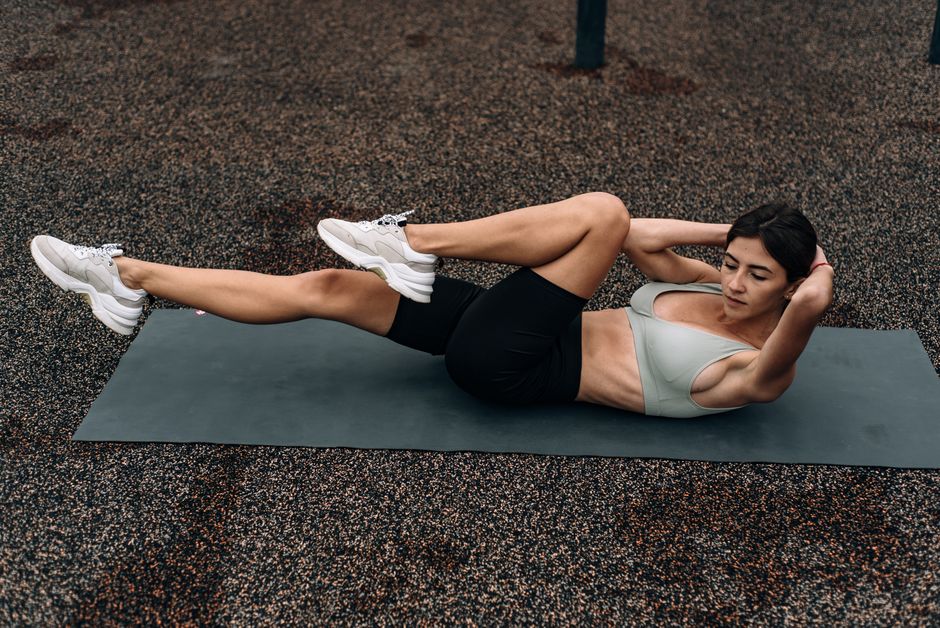
How Many Exercises Do I Need for an Effective Beginner Workout?
A practical guide to choosing a small, effective set of beginner exercises for home, gym, and short training sessions.

How Can I Earn Online From Home With No Experience?
Compare beginner-friendly online work, realistic pay context, payment timing, and scam warning signs before choosing a path.

Is a Lidl Part-Time Store Job Right for My Schedule and Strength?
Assess Lidl part-time store hours, weekend work, physical demands, and the questions to ask before applying.
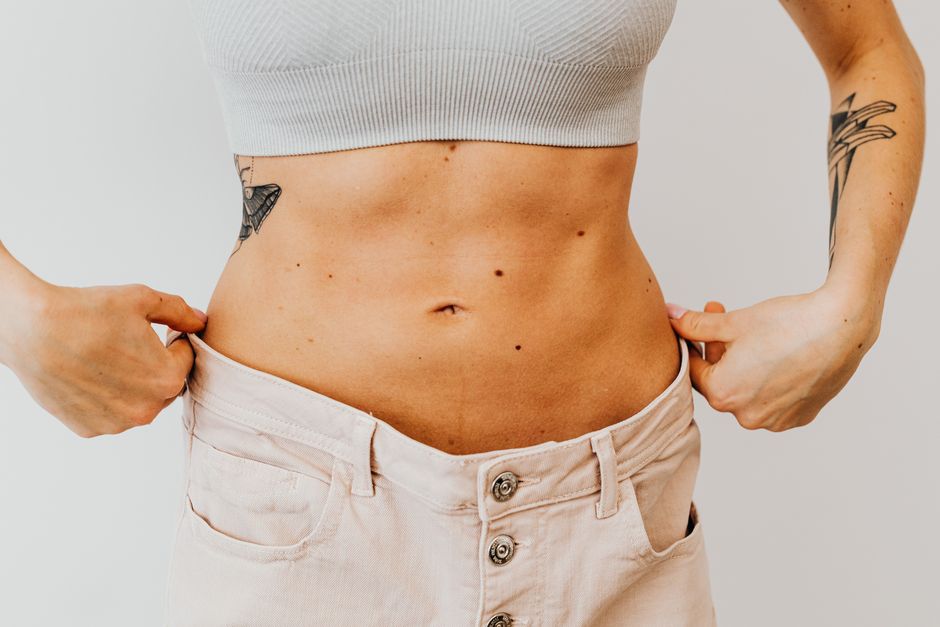
What Is the Best Exercise to Lose Belly Fat?
An evidence-based beginner guide to belly-fat loss, combining cardio, strength work, core training, daily movement, and realistic progress measures.