
How Do I Find a Welcoming Church When I’m Shy or Lonely?
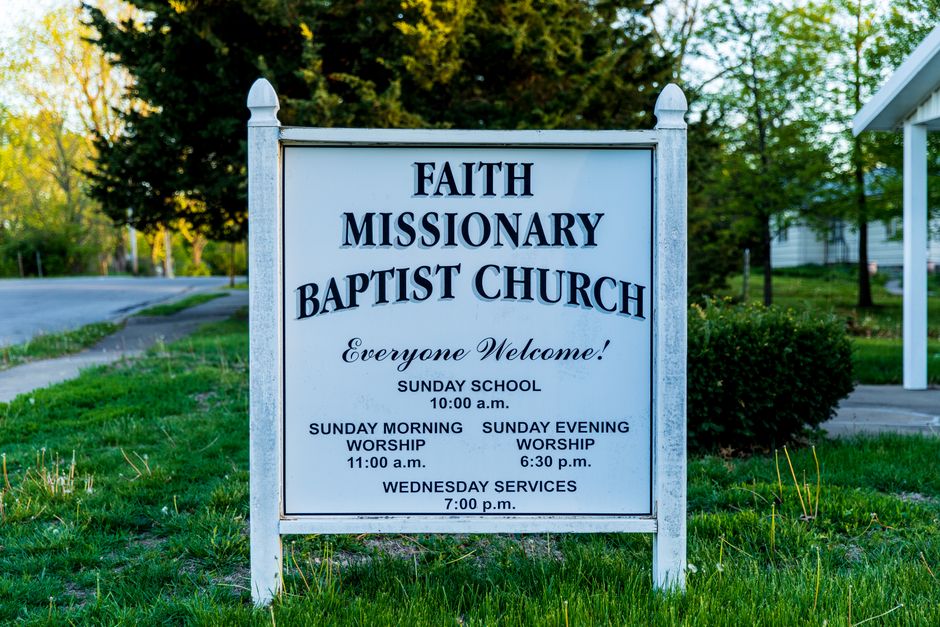
To find a welcoming church when you feel shy or lonely, visit a service, return if its beliefs and worship feel like a fit, and take one small step toward connection: speak with a congregant, ask about an open group, or try a shared service activity. A few visits can help you judge the welcome and the community more clearly than a single Sunday.
How do I meet people at church if I’m shy?
Meet people through small, specific conversations rather than trying to work a room. Ask a greeter where newcomers usually sit, introduce yourself to one person after the service, or ask someone how to learn about the church’s groups. One conversation is enough for a first step.
Tell a leader what would help. The Presbyterian Church (U.S.A.) recommends introducing newcomers to several members and finding common ground for conversation. It also suggests matching a newcomer’s interests and abilities with ways to serve, and offering a church buddy whose interests or life stage overlap.
Shared activity can take the strain out of meeting. A volunteer task gives people something to do together, so conversation has a natural starting point. You can ask about a one-time or low-commitment role before agreeing to an ongoing responsibility.
Small groups offer another route. A study in Sociology of Religion, drawing on the 2001 U.S. Congregational Life Survey and responses from one Central Texas megachurch, found that people involved in groups for prayer, discussion, or Bible study reported greater belonging and more frequent attendance. This reported link did not differ by congregation size. The finding describes an association, not a guarantee that every group will fit every person.
Choose a group described as open to newcomers. The Anglican Diocese of Toronto notes that small groups can feel intimidating, while intentionally welcoming groups can give newcomers a way into the community. Ask what the group does, who attends, and whether you can visit before committing.
Should I visit a church more than once before deciding?
Yes: visit more than once when you can, because repeated visits help you assess both the worship and the welcome. A service can feel unfamiliar at first; another visit gives you a better chance to notice how people interact and whether there is a clear path for newcomers.
Pew Research Center found that among people who had looked for a new house of worship, 85% attended services at a congregation they were considering and seven-in-ten spoke with congregants or people they knew. Sermon quality mattered to 83%, feeling welcomed by clergy and lay leaders to 79%, worship style to 74%, and location to 70%. These priorities show that fit has several parts: what a church teaches, how it worships, how people treat newcomers, and whether the location works in daily life.
Use each visit to look for evidence, not to demand instant closeness. Are the worship materials clear? Can you follow what is happening? Does someone answer a question without making you feel pressured? Is there a next step, such as a newcomer gathering or open group? The Toronto diocesan guidance also points to practical signs, including signage, greeter contact, follow-up, and ways to give feedback.
Write down what you noticed afterward. Separate questions of belief and practice from first-day nerves. If the church’s core beliefs do not fit yours, friendliness alone will not resolve that difference. If the beliefs align but the first visit felt awkward, a second visit or a conversation with a leader can give you better information.
How can I find a church small group that fits my age or life stage?
Ask church staff or a group leader for options based on schedule, interests, and life stage, then check whether a group welcomes visitors. A good fit depends on more than age: meeting time, group purpose, format, and openness to newcomers shape whether you can take part.
Be specific when you ask. You can say that you work irregular hours, travel often, prefer discussion to a large social event, or want a group for people in a similar stage of life. Ask how often the group meets, whether attendance is expected every time, and whether there is a remote or flexible option. Do not assume these options exist; ask what the church actually offers.
Try one meeting before making a commitment. Notice whether people make space for newcomers, explain the group’s rhythms, and let you participate at a comfortable level. A group that expects instant openness may not suit a shy newcomer. A patient group lets trust build through regular contact.
Use this simple progression as a guide:
- Visit: Attend a service and note whether the church’s beliefs and worship suit you.
- Return: Visit again and speak with a congregant or leader.
- Explore: Ask about an open group, a newcomer contact, or a shared service activity.
- Participate: Choose one next step that fits your schedule and comfort.
- Review: After a few points of contact, decide whether relationships and community are beginning to grow.
For older adults, research offers a relevant but limited finding. A study using the National Social Life, Health, and Aging Project (2005–2006), a national probability sample of adults ages 57–85, found religious attendance was associated with higher social integration and social support; those, in turn, were associated with lower loneliness. The authors describe social networks and supportive relationships as possible pathways. The findings concern older adults and should not be treated as proof that church attendance alone prevents loneliness.
Frequently Asked Questions
What should I do if I attend church alone?
Arrive with one small aim, such as asking a greeter where newcomers can sit or speaking with one person after the service. Ask whether the church has a newcomer contact, open group, or volunteer role; you do not need to join everything at once.
How do I know whether a church is welcoming to newcomers?
Notice whether signs and worship materials are clear, whether someone offers help without pressure, and whether you are introduced to people or given a simple next step. A welcoming church also makes room for feedback and lets you decide at your own pace.
Belonging grows through contact that continues. A service helps you see a church; a conversation, a group, and shared work help you learn whether it can become your community.
Sources

How Can I Find Church-Based Practical Care and Counseling?
Learn how to find church food, bill assistance, pastoral care, and counseling, what to ask, and where to turn when local help falls short.

Where Can I Find and Choose a Free Online Bible Study Course?
Compare free online Bible courses by format, pace, teaching perspective, feedback, and certificate terms.

How Can Solo Travelers Over 60 Find Low-Supplement Cruise Fares?
Compare solo cabins, sailing-specific supplements, and booking windows to find a cruise fare that holds up after every trip cost.

How Can Healthcare Chaplains Be Faithful Without Coercing Patients?
A practical guide to faith-rooted, non-coercive spiritual care for healthcare chaplains serving every faith and none.